

What is TMJ?
The TMJ is the temporomandibular joint—the joint on either side of your face that connects your jaw to your skull. While patients and clinicians alike often say "TMJ" to describe jaw pain, the acronym itself refers to the abbreviation of the joint.
Normal TMJ function allows you to chew, speak, and yawn comfortably. However, because it functions like any other joint in the body, problems within its supporting muscles and ligaments can easily lead to localized pain, tension, and limited movement.
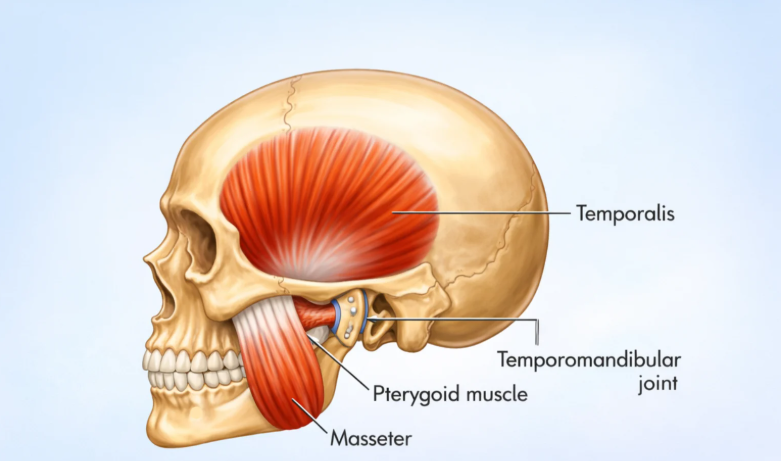
Viewing TMJ Pain as an Orthopedic Issue
When you think of a stiff knee, a strained shoulder, or a sprained ankle, you automatically think of physical therapy and a muscle or joint (orthopedics) issue. Your jaw is no different.
A TMJ problem is fundamentally an orthopedic issue. It involves the exact same structures as any other joint in your body: muscles, tendons, ligaments, and joint cartilage. Because of this, the diagnoses under the broad umbrella of TMJ pain fit into orthopedic categories you are likely already familiar with:
Muscle Strains & Spasms: Tightness, soreness, or acute cramping in the cheeks and temples.
Tendonitis: Inflammation of the thick tissues that connect your jaw muscles to the bone.
Ligament Sprains: Overstretched or micro-torn tissues that fail to keep the joint tracking properly.
Joint Instability: A jaw that moves too much, slips out of place, or catches.
Arthritis: Wear and tear or inflammation of the joint surfaces themselves.
When you look at it through an orthopedic lens, it makes perfect sense why a malfunctioning jaw causes facial pain, restricted movement, and clicking sounds.

Common Symptoms of TMJ Pain
TMD symptoms can range from mild annoyance to severe pain that makes eating solid food nearly impossible. Common signs include:
Localized pain directly in the joint, just in front of the ear.
Painful popping, clicking, or catching during jaw movement.
Locking of the jaw (either wide open or unable to open fully).
Intense muscle spasms at the angle of the jaw or along the side of the head.
Frequent headaches or unexplained dizziness.
Main Causes of Jaw & TMJ Pain
Most patients can't point to a single incident that caused their jaw pain; it usually develops slowly over time due to one or more of these common triggers:
Trauma: A past impact or injury to the jaw.
Nighttime Grinding (Bruxism): Clenching or grinding your teeth while sleeping.
Forward Head Posture: Many of the muscles controlling your jaw anchor directly into your upper neck.
Chewing Biomechanics: Prolonged and repetitive chewing and biting patterns.
How Physiotherapy Can Treat TMJ Pain
A great physiotherapist doesn't just treat the pain—they identify the specific mechanical failure causing it and build a custom treatment plan around your unique joint presentation:
Restoring Joint Mobility: We utilize gentle, hands-on manual therapy techniques to restore joint movement.
Relieving Muscle Spasm: By isolating and treating deep jaw muscles, manual therapy can release tight muscles.
Stabilizing Loose (Hypermobile) Joints: We focus on exercises to improve joint stability if you are hypermobile.
Postural Training & Ergonomics: We address the neck-to-jaw connection by soft tissue release of neck muscles.
Targeted Pain Relief: When pain is acute, we utilize supportive treatments like acupuncture, thermal modalities, and gentle traction to calm the nervous system down so you can comfortably begin recovery.
Your Path to Relief Starts Here
If you are dealing with a combination of these symptoms, you know how exhausting it can be to hunt for answers. Because TMJ pain is an orthopedic condition, it responds well to targeted physiotherapy.
Our TMJ Physiotherapist Brent Wareham located in St. John’s, Newfoundland has extensive experience treating TMJ. He was the lead TMJ physiotherapist for 3 years at a busy healthcare clinic in Belleville, Ontario prior to moving home to Newfoundland. He has the knowledge and experience to treat your TMJ pain effectively.
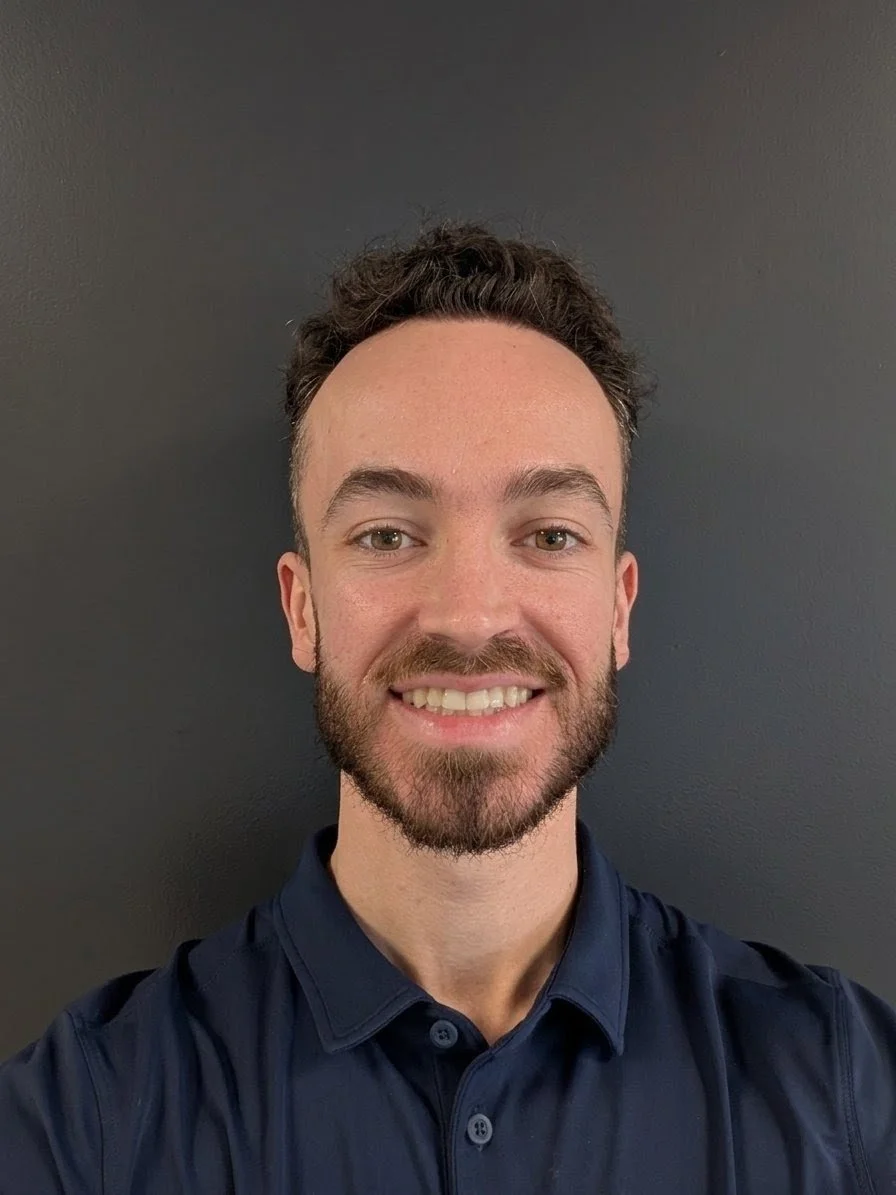
Brent Wareham
Registered Physiotherapist
🎓MSc. PT Queen’s University
📹 3+ Year Experience as Lead TMJ Physiotherapist in Belleville, Ontario